6 Sled Training Problems That Are Actually Floor Problems
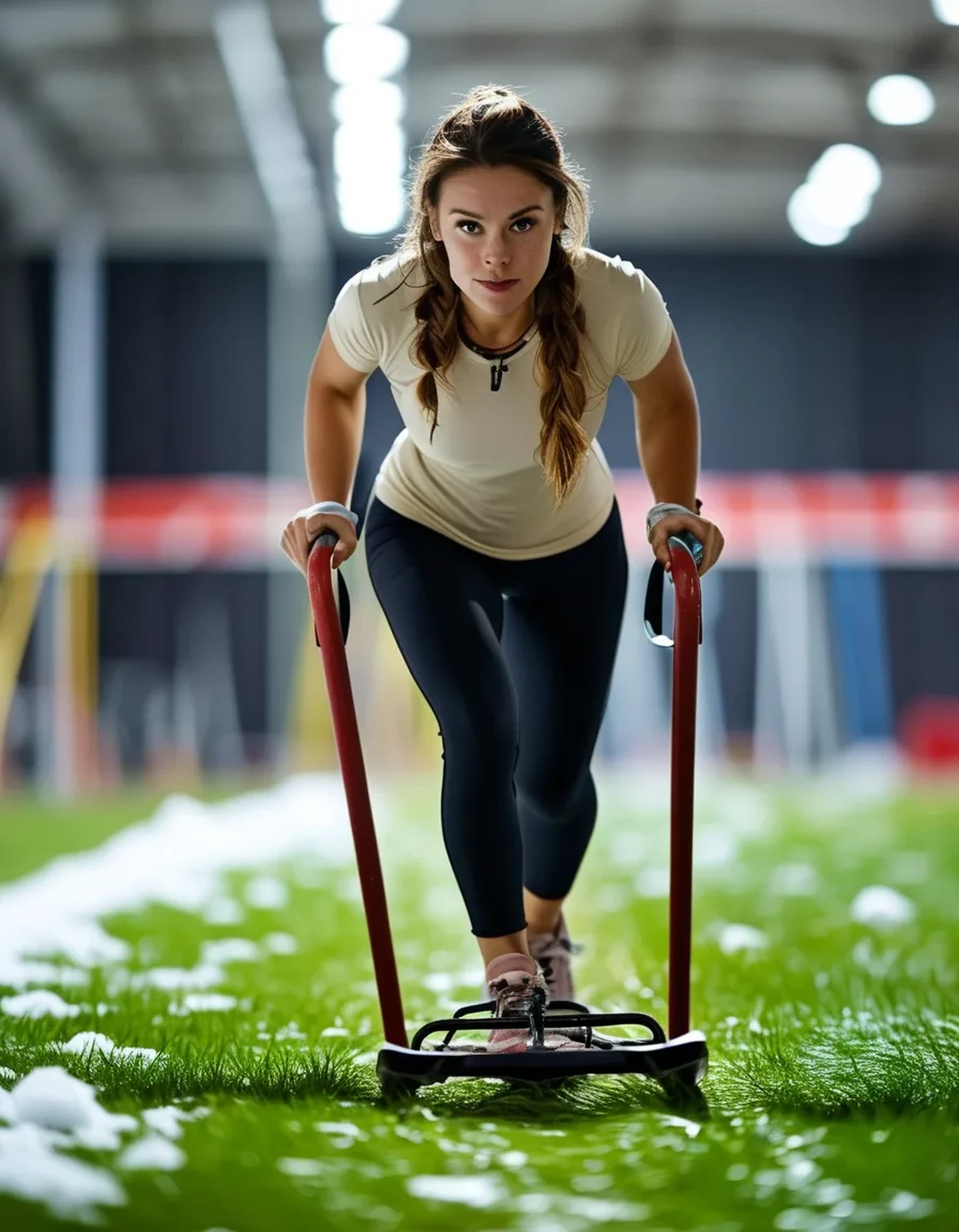
Quick Answer: Sled resistance comes from friction, and friction depends on the surface as much as the load. A plate that feels light on smooth turf can feel like double on rubber. If your sled numbers jump around, your sessions feel inconsistent, or your form falls apart at loads you handled last week, check the floor before you change the program.
Same sled. Same plates. Same shoes. Completely different session.
You go looking for the reason in your sleep, your food, your last workout. And it turns out the gym replaced the turf, or you moved to the far end where the rubber starts, or it is a humid day and the surface is damp.
Six problems, all of them the floor.
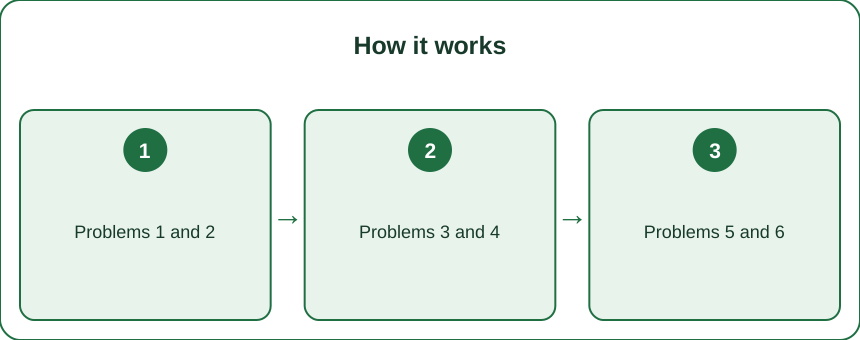
Problems 1 and 2: Inconsistent load and no progress
1. The same weight feels different every session
Sled resistance is friction, and friction is the load multiplied by how much the two surfaces resist sliding against each other. That second number varies more than most people realize.
Across the surfaces you find in real gyms, the effective resistance from the same plate load can vary by fifty percent or more. Smooth artificial turf is at the low end. Rubber flooring is at the high end. Concrete, rough turf, and outdoor tarmac sit between them in that rough order.
Which means two plates on turf and two plates on rubber are not the same workout, and if you rotate between areas of the gym you are effectively randomizing your load.
Fix: pick one lane and always use it. Note the surface in your log alongside the weight. If your gym has both, treat them as two separate exercises with two separate weight progressions.
2. Your numbers stall for months
If your recorded load is not moving, the first question is whether the surface has changed under you.
Turf wears. A lane that has had a sled dragged down it five hundred times develops a polished track, and that track is faster than the fresh turf either side of it. Your load stays the same on paper while the actual resistance quietly falls.
The reverse happens too. New turf is grippy and slow for the first few weeks, which is why gyms that just refloored produce a wave of people convinced they got weaker overnight.
Fix: test periodically rather than trusting the number. Time a fixed distance with a fixed load once a month. If your time improves while the load stays the same, you are progressing. If your time improves and you also feel like the sled is gliding, check the lane.
Problems 3 and 4: Slipping and sudden lurching
3. Your feet slip on the push
Everyone blames their shoes. Shoes matter, but the ratio between how much your feet grip and how much the sled resists matters more.
On a high-friction floor like rubber, the sled resists hard, which means your feet need to push hard against the ground - and if the ground is the same slippery-when-dusty rubber, you will lose traction before the sled moves. This is the classic heavy-sled-on-rubber problem, and it looks exactly like a form fault.
On turf, your shoes grip well and the sled slides well, so this rarely happens.
Fix: on rubber, drop the load and increase the distance. Sweeping dust off the lane makes a genuine difference too, which sounds like a joke and is not. If your gym only has rubber, flat-soled shoes with a hard rubber outsole will outperform cushioned trainers by a wide margin.
4. The sled lurches instead of moving smoothly
A sled that breaks free suddenly and then stops is a sign that static friction and moving friction are far apart on your surface - it takes a lot to get it going and much less to keep it going.
This happens most on rubber and on damp concrete. It is unpleasant and it is also the mechanism behind most sled-related back complaints, because the lurch loads your spine when your position is at its worst.
Fix: never start a sled from a dead stop with a rounded back. Set your position, take the slack out of the strap or the handles gently, and drive with your legs. If the sled still lurches at that weight on that floor, the weight is wrong for that floor.

Problems 5 and 6: Conditioning that will not translate, and a sore back
5. Your sled conditioning does not show up anywhere else
A sled session on very high-friction flooring becomes a strength exercise. You move slowly, you grind, and your heart rate never climbs the way it should. That is a fine session, but it is not conditioning, and if conditioning was the goal you are not getting it.
The conditioning effect of a sled comes from sustained fast movement against moderate resistance. That requires a surface you can actually move quickly on.
Fix: match the surface to the goal. Turf and lighter loads for conditioning; rubber or heavier loads for strength. If you only have a high-friction floor, cut the weight far more than feels correct - often to half of what you would use on turf - and hold the pace.
6. Your lower back is sore the next day
Sled work is famously easy on the body because there is no eccentric loading. If your back is sore, something is adding load your body was not set up for, and surface is the most common culprit.
Two mechanisms. The lurch described above, which loads the spine unpredictably. And an uneven or cambered surface - outdoor car parks are almost always cambered for drainage - which makes one side work harder for the entire session without you noticing.
Fix: run outdoor sleds up and back on the same line rather than in a loop, so any camber cancels out. Indoors, check the lane is genuinely flat before assuming your technique is the problem. And if the soreness is sharp, one-sided, or persists past a couple of days, get it looked at rather than adjusting your floor. This is general information, not medical advice.
How to build a floor-proof sled program
The whole problem is that sled load is not a property of the sled. So stop logging it as if it were.
Log three things, not one: weight, surface, and time for the distance. Any two of those without the third is uninterpretable a month later.
Standardize your lane. Same surface, same direction, same distance. If your gym has one good turf lane, use it exclusively and accept the queue.
Use time or distance as the progression variable rather than weight. Weight is the variable most contaminated by surface. Covering thirty metres two seconds faster at the same load on the same lane is unambiguous progress; adding a plate on a different floor tells you nothing.
Recalibrate after any change. New gym, new turf, new shoes, outdoors instead of indoors - run one submaximal set and find the new weight rather than assuming last week’s carries over.
And keep a rough conversion in your head. If you move from turf to rubber, expect to cut the load substantially. Going the other way, expect to add. The exact number depends on your specific surfaces, which is why the once-a-month timed test earns its place.
FAQ: Sled and Surface Questions, Answered
What is the best surface for sled work?
Artificial turf, for most purposes. It gives enough resistance to be useful, enough consistency to be measurable, and enough glide that you can move fast when the session calls for it.
Can I use a sled on a driveway or car park?
Yes, and plastic-based sleds handle tarmac better than steel ones, which will gouge it and wear fast. Watch for camber, run out and back on the same line, and expect much higher resistance than turf at the same load.
Do sled mats or plastic skis actually help?
On concrete and tarmac, yes - they protect both the sled and the surface and make the resistance more consistent. On turf they are usually unnecessary.
TL;DR:
- Sled resistance is friction, and the same load can vary by fifty percent or more between turf and rubber.
- Slipping feet, lurching starts, and a sore back are usually high-friction-floor problems rather than form problems.
- Match the surface to the goal: turf and lighter loads for conditioning, high-friction floors for strength.
- Log weight, surface, and time together, standardize your lane, and progress on time rather than plates.
The sled is one of the few pieces of equipment whose difficulty is set by something other than what you loaded on it. Once you start writing down the floor, most mystery sessions stop being mysterious.
Keep Reading
This article is for general informational and styling purposes only. Fit, sizing, and product availability may vary.